Backing: A Modern Script for Stylish Design Projects
Finding the right typeface for a project often feels like searching for a specific voice. You need something that speaks clearly, carries personality, and fits the context. Backing, a modern script typeface from Operatype, offers a distinct voice that balances contemporary flair with a touch of refined elegance. It’s not just another handwritten font; it’s a versatile design asset crafted for a wide range of professional and personal applications.
The Visual Character of Backing
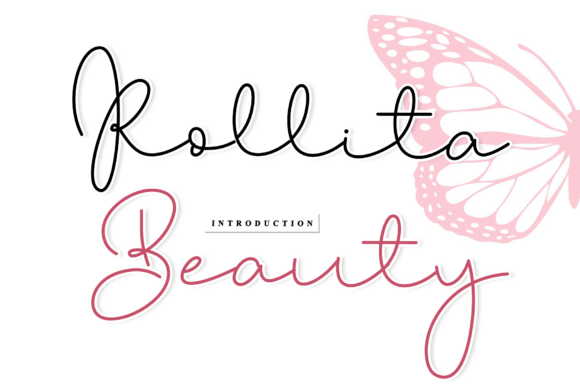
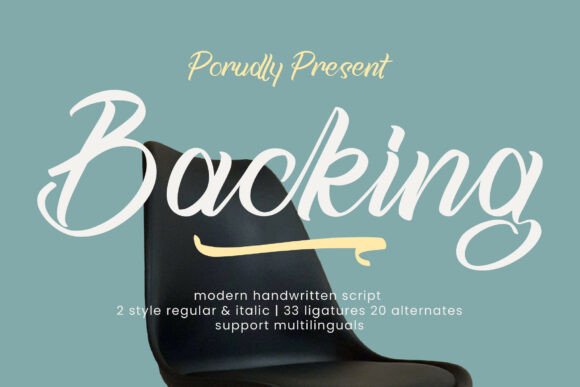
At its core, Backing is a modern typography piece with the soul of a handwritten font. Its letters flow with the natural rhythm of a stylish pen, featuring smooth, connected strokes and a balanced x-height. This isn't a casual, messy scrawl. The design maintains a high level of legibility while embracing a contemporary, almost luxurious aesthetic. The subtle swashes and alternate letterforms add a layer of sophistication, allowing for customization that can make a design feel truly unique.
This script font strikes a crucial balance. It possesses enough personality to stand out in a logo design or on a product label, yet it remains clean enough for longer passages where readability is key. Its appeal lies in this versatility—it can feel both personal and professional, approachable and premium.
Where Backing Shines: Practical Applications
The true test of any premium font is its real-world utility. Backing proves its worth across a spectrum of projects. For brand identity work, it injects a human, crafted quality into logos, business cards, and stationery. It communicates care and attention to detail, which is invaluable for small businesses, boutiques, and personal brands aiming to connect authentically with their audience.
In packaging design, Backing can elevate a product on the shelf. Its elegant strokes are perfect for artisan food labels, beauty product names, or boutique homeware tags. It suggests quality and craftsmanship without saying a word. For editorial design, think book covers, chapter titles, or pull quotes in magazines. Here, it adds a dynamic, personal touch that draws the reader's eye.
The digital space is another strong suit. Backing works beautifully for social media graphics, creating engaging quotes, story highlights, or promotional banners. In web design, it can be used strategically for headlines or call-to-action buttons where a touch of personality is needed. For creators and crafters, the applications are nearly endless—from designing memorable mug prints and t-shirt graphics to creating wedding invitations, greeting cards, and custom posters.
Integrating Backing into Your Workflow
Adopting a new typeface should streamline your process, not complicate it. Backing is designed for seamless integration. It arrives in OTF, TTF, and WOFF formats, covering standard desktop use and web font needs. Installation on both PC and Mac is straightforward, and the font functions smoothly in major design software like Adobe Illustrator, Photoshop, and InDesign. It also works in common applications like Microsoft Word, making it accessible for quick tasks and non-designers.
A key feature is its PUA encoding. This means all the decorative swashes, alternates, and ligatures are fully accessible, even in programs that don't have advanced OpenType feature support. You can easily access these stylistic extras through your operating system's character map, giving you full creative control without technical hurdles.
Making the Most of Backing: Practical Tips
When selecting Backing for a project, consider its role in your visual hierarchy. It excels as a display font for headlines and focal text. Pairing it with a clean, neutral serif font or a simple sans serif font for body copy creates a balanced and readable layout. Avoid using it for large blocks of small text, where a simpler typeface would be more effective.
Always test the font with your actual content. View it at the intended size and on the target medium, whether a mobile screen, a printed label, or a poster. Check the legibility of key words, especially those with complex letter combinations. The included alternates are there to solve such issues—swapping a letter can often improve flow and readability in a specific word.
Finally, review the licensing for your intended use. Backing is a commercial font, and understanding its license ensures you're using it correctly for client work, products for sale, or personal projects. Its broad compatibility and rich feature set make it a reliable component in your toolkit of design assets, ready to add a consistent touch of class and contemporary style to your next creative endeavor.